Living Through a Florida Boil-Water Notice: A Household Guide
A Florida boil-water notice calls for a household plan: verify your address, use boiled or bottled water, then flush pipes and replace filters after clearance.
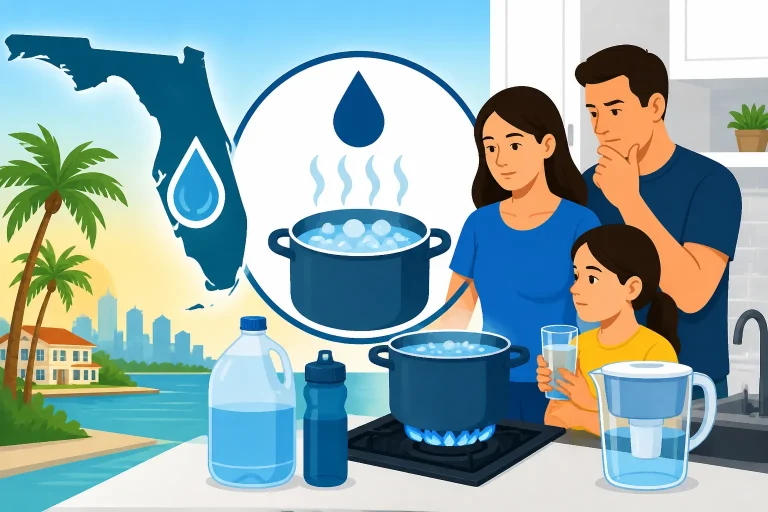
A Florida boil-water notice calls for a household plan: verify your address, use boiled or bottled water, then flush pipes and replace filters after clearance.
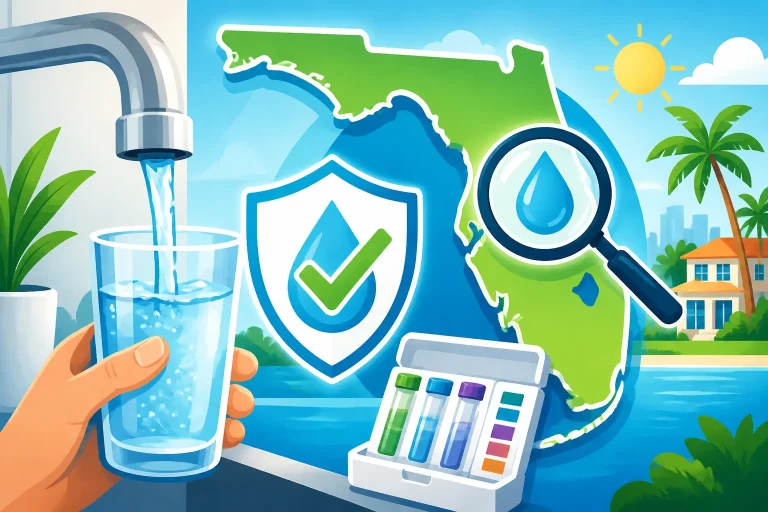
Florida tap water varies by utility and address. Identify your provider, read its current water quality report, and check for notices that affect your home.
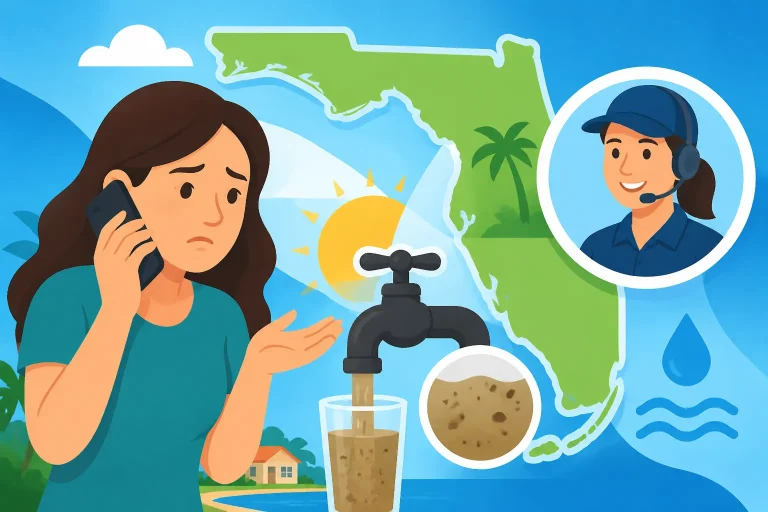
Who to contact about Florida tap water problems depends on the symptom: start with your utility, then involve county or state officials when needed.
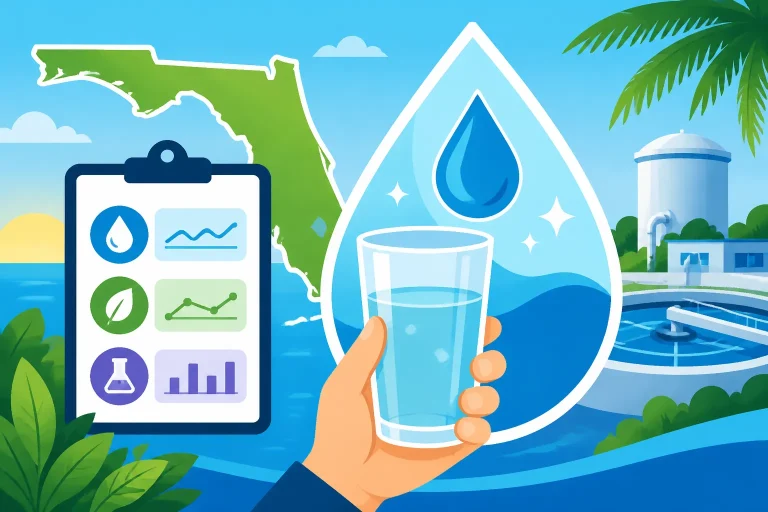
Current water quality data for your Florida utility starts with the right report, its sample dates, and direct utility checks for newer results.
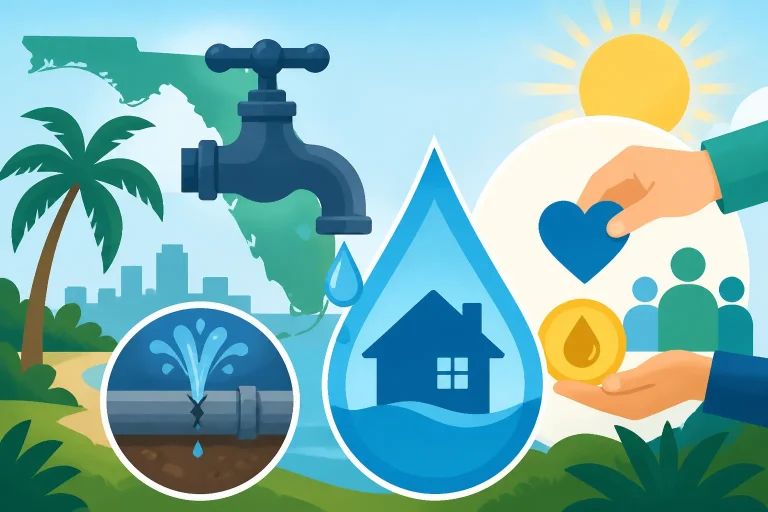
Florida water bills can rise from leaks, longer billing periods or sewer charges; verify meter use, document repairs and ask your utility about adjustments.
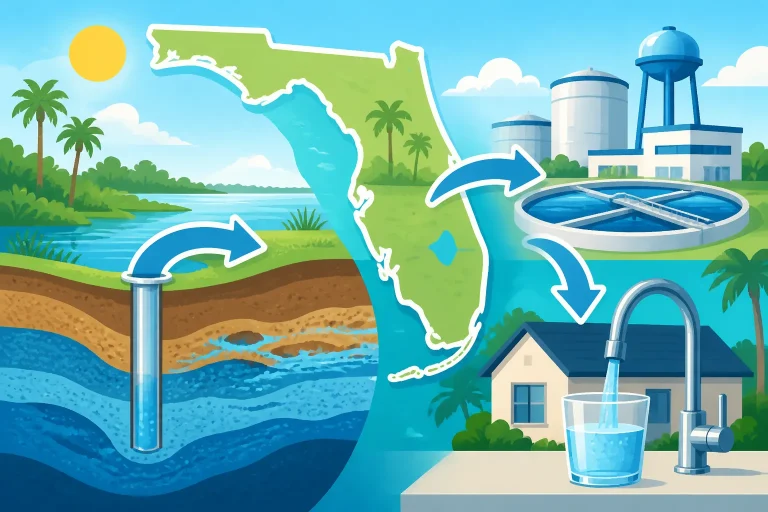
Florida drinking water mostly comes from aquifers, but each utility’s sources and treatment vary; check the provider and report for your address.
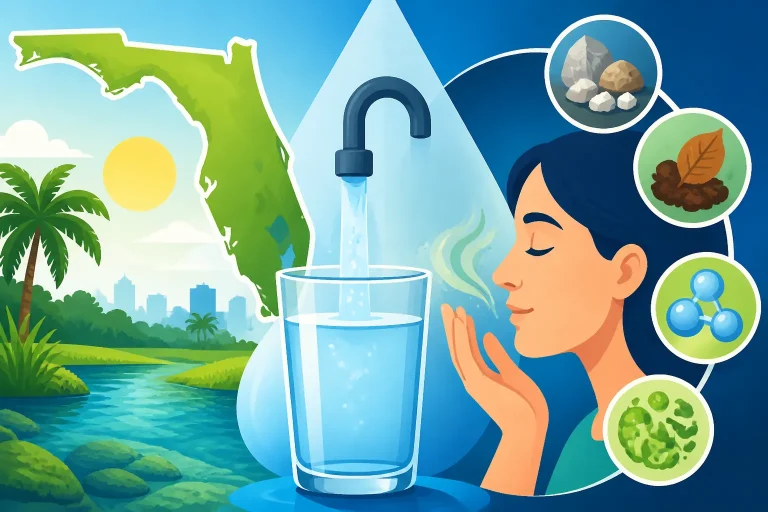
Florida tap water taste and odor can reflect source, treatment, or household plumbing; compare taps, check notices, and report persistent changes.
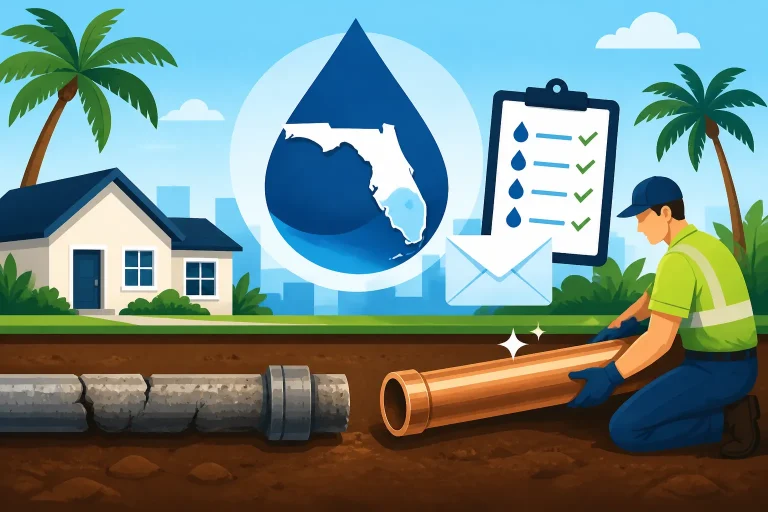
Florida lead service line inventories, customer letters and replacement deadlines: how to check a pipe’s status, question records and understand next steps.
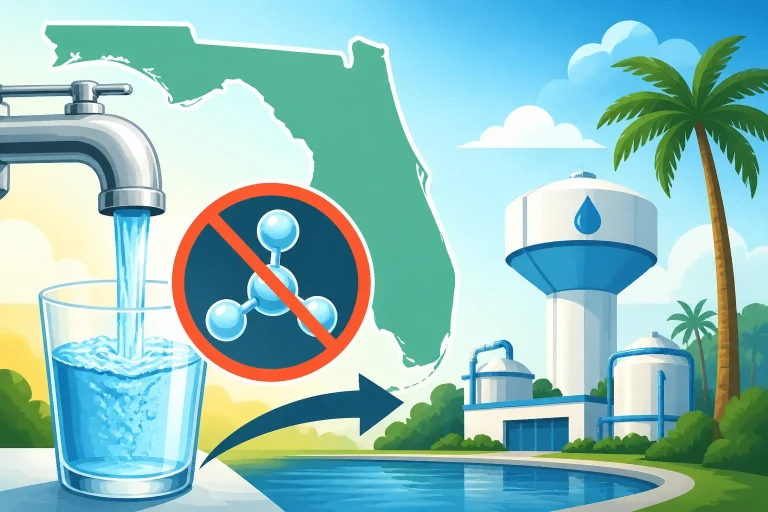
Fluoride and Florida tap water vary by utility; check your provider’s current treatment details and reports before assuming fluoride is added or absent.
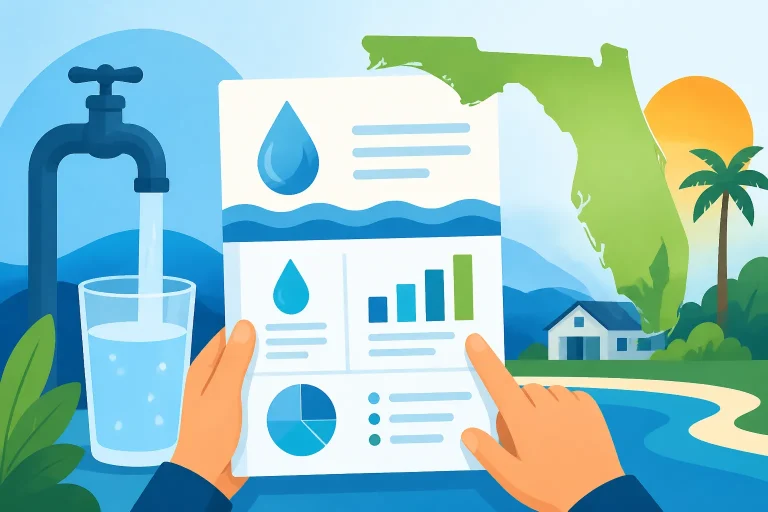
Florida Consumer Confidence Report basics: match your utility, compare contaminant results with standards, and understand what the report cannot show.